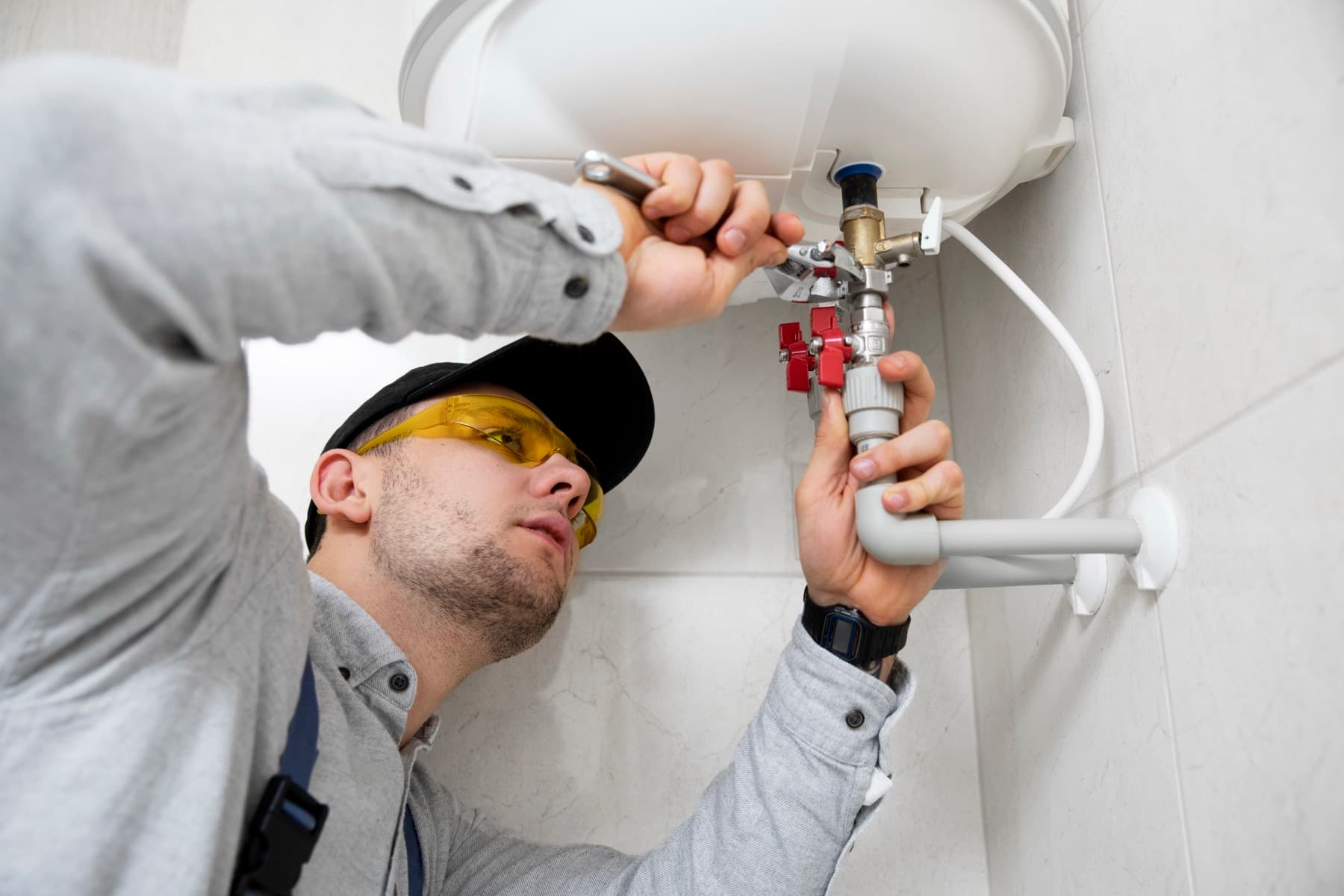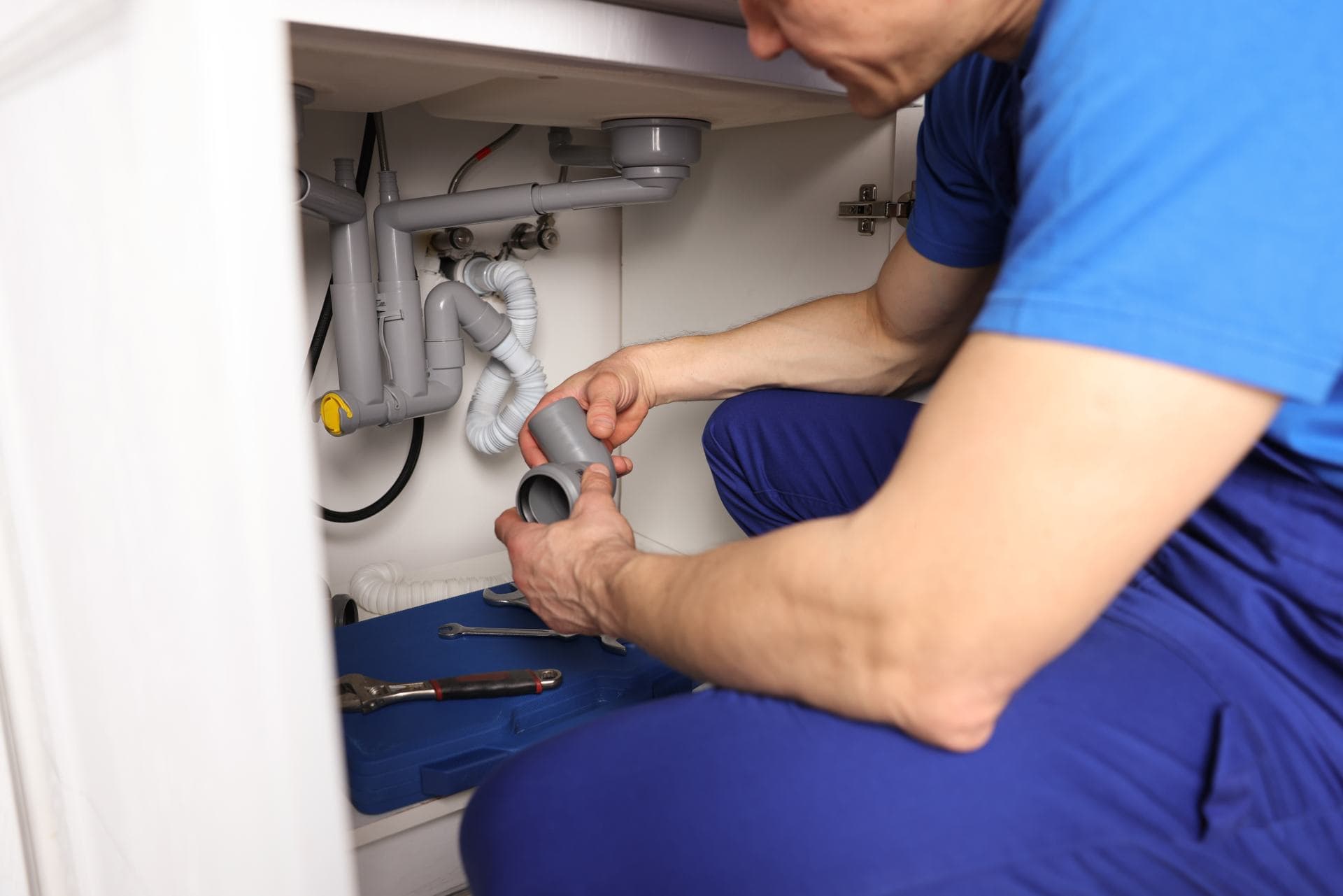
Water Heater Repair in Dubai: The 6 Most Common Faults
By the Top Tier Technical Services team · Published · 7 min read
Quick answer
The six most common water heater faults are no hot water, water that is not hot enough, leaks, a tripping breaker, noise or discoloured water, and water that is too hot. Many come down to power, the thermostat, the heating element, scale or a failed valve. Switch off and call a technician for leaks, tripping or burning smells.
Key takeaways
- No hot water is usually a power, thermostat or heating element problem.
- Leaks and a repeatedly tripping breaker need a technician. Don't keep resetting or using the heater.
- The U.S. EPA advises flushing the tank once a year and checking the temperature and pressure valve at least once a year.
- The U.S. Consumer Product Safety Commission recommends a thermostat setting of 120°F (49°C) to reduce tap water scalds.
What are the six most common water heater faults?
The faults below cover most calls we see. The first checks are things you can do safely. Switch the heater off at the isolator before you look any closer, and leave anything electrical or sealed to a technician.
1. Why is there no hot water at all?
- No power: check the isolator switch and the breaker. If the breaker keeps tripping, don't keep resetting it.
- A tripped thermal cut-out or overheat protection: some heaters have a reset button, so check the manual.
- A thermostat that has failed or been set too low.
- A burned-out heating element in an electric heater.
If the power is on and there is still no hot water, the thermostat or element needs testing. That is a technician's job.
2. Why is the water not hot enough, or why does it run out quickly?
- The thermostat is set too low.
- A heating element is only partly working.
- Scale or sediment on the element and the bottom of the tank is reducing the heat transfer. The U.S. Geological Survey notes that scale deposits can lower the efficiency of electric water heaters.
- The heater is too small for your use, especially if the household has grown. Our guide on 50 or 80 litre water heaters explains how to size one.
- A long pipe run, or a mixer or shower valve that isn't working properly.
3. Why is the water heater leaking?
Leaks come from the tank itself, the inlet and outlet fittings, or the temperature and pressure relief valve. A leak from the bottom of the tank usually means the tank has failed, while a drip from a fitting or the valve can often be repaired. Switch off the power and the water supply to the heater, and have it checked. Our guide on water heater leaks from the bottom explains when to repair and when to replace.
4. Why does the water heater trip the breaker?
A heater that trips the breaker, or the earth leakage protection, may have a failed element that is leaking current, damaged wiring or terminals, or water getting into the electrics. Switch it off and don't keep resetting the breaker. It is a safety fault, and a technician needs to test it. Our guide on why a breaker keeps tripping explains the possible causes.
5. Why is the heater noisy, or the water cloudy or discoloured?
Rumbling or popping noises and cloudy or rusty-looking water often point to sediment and scale in the tank, or to the condition of the tank and its fittings. The U.S. EPA advises flushing the water heater once a year to reduce sediment build-up, which can decrease efficiency. If the water is persistently discoloured or smells, have the heater and the tank supplying it checked. Our guide on hard water in Dubai explains how scale forms.
6. Why is the water too hot?
The thermostat may be set too high or may have failed. This is a safety risk. The U.S. Consumer Product Safety Commission says most adults will suffer third-degree burns from two seconds in 150°F (66°C) water, six seconds at 140°F (60°C), or thirty seconds at 130°F (54°C). It recommends a thermostat setting of 120°F (49°C) to reduce or eliminate most tap water scald injuries, and always hand-testing water before bathing infants and young children.
If the water is much hotter than the thermostat setting, the thermostat or its controls need replacing.
How can you prevent water heater faults?
- Have the heater serviced by a professional at least once a year, as the U.S. EPA suggests.
- Flush the tank once a year to reduce sediment.
- Check that the temperature and pressure relief valve works at least once a year.
- Keep the thermostat at a safe setting.
- Deal with hard water and tank sediment, as they speed up scale.
The Pacific Northwest National Laboratory's sizing tool uses an average life of 13 years for a storage water heater, so an older heater that keeps failing may be better replaced than repaired. Our water heater service repairs and replaces heaters of all brands. To book a technician, contact us.
Frequently asked questions
Can I reset my water heater myself?
Some heaters have a reset button on the thermal cut-out, and the manual will say where. If it trips again, don't keep pressing it. Something is causing it, and a technician needs to find out what.
Is it safe to keep using a water heater that drips?
Switch it off and shut the water supply to it. A leaking heater can damage floors and ceilings, and water near the electrics is dangerous. Have it checked before you use it again.
How often should a water heater be serviced?
The U.S. EPA suggests a professional service at least once a year, along with flushing the tank and checking the pressure relief valve annually. Follow your manufacturer's instructions for your model too.
Why does my hot water look cloudy?
Cloudiness can come from tiny air bubbles that clear from the bottom up, or from sediment and scale. If it doesn't clear, or you see particles or rust-coloured water, have the heater and tank checked.
Should I repair or replace an old water heater?
If the tank itself leaks, or the heater is old and has repeated faults, replacement is usually better value than repeated repairs. A young heater with a failed thermostat or element is normally worth repairing.