Floor Drain Smell in Dubai: Why Floor Traps Stink and How to Fix It
By the Top Tier Technical Services team · Published · 5 min read
Quick answer
A smell from a floor drain, often called a floor trap in Dubai, usually comes from a trap that has dried out, most often in a bathroom, balcony or utility room that is rarely used. Pouring clean water into the drain refills the trap and often stops the smell. If it comes back, a blocked drain, a leak or a vent problem needs a plumber to check it.
Key takeaways
- A floor drain has a trap, a bend in the pipe that holds a plug of water. The water seals the pipe and keeps drain gas out of the room.
- Drains that rarely get water, such as in a spare bathroom, on a balcony or in a home left empty, are the ones most likely to dry out.
- Pouring in clean water is the first thing to try. The Wisconsin Department of Health Services advises flushing floor and sink drains with water so the traps do not dry out.
- If the smell returns, or water drains slowly, the cause may be a blockage, a leak or a vent problem, and a plumber should look at it.
- Never mix bleach with ammonia or other cleaners to deal with a smell. The CDC warns that mixing bleach and ammonia is dangerous.
Why does a floor drain smell?
A floor drain, which many people in Dubai call a floor trap, has a bend in the pipe under the grate that holds a small plug of water. That water is a seal: it stops gas from the drainage pipes coming up into the room. If the seal dries out, drain gas can rise through the drain and you smell it.
The Wisconsin Department of Health Services lists a floor drain, and a leaking or blocked roof plumbing vent, as ways sewer gas can enter a home. A dry trap is only one possible cause, so the sections below also cover blockages, leaks and vents.
Which floor drains dry out most often?
The water seal evaporates, so the drains that get no water of their own lose it first. In a home, that usually means:
- The floor drain in a spare, guest or maid's room bathroom that is rarely used.
- Balcony, terrace and utility-room drains, which only see water when someone washes the floor.
- Drains in a villa or apartment that stays empty while the owner is away, for example over the summer.
- A shower drain in a bathroom nobody has used for a while.
Evaporation is faster in warm, dry air, so a drain that is never used will lose its seal sooner or later.
How do you fix a smelly floor drain?
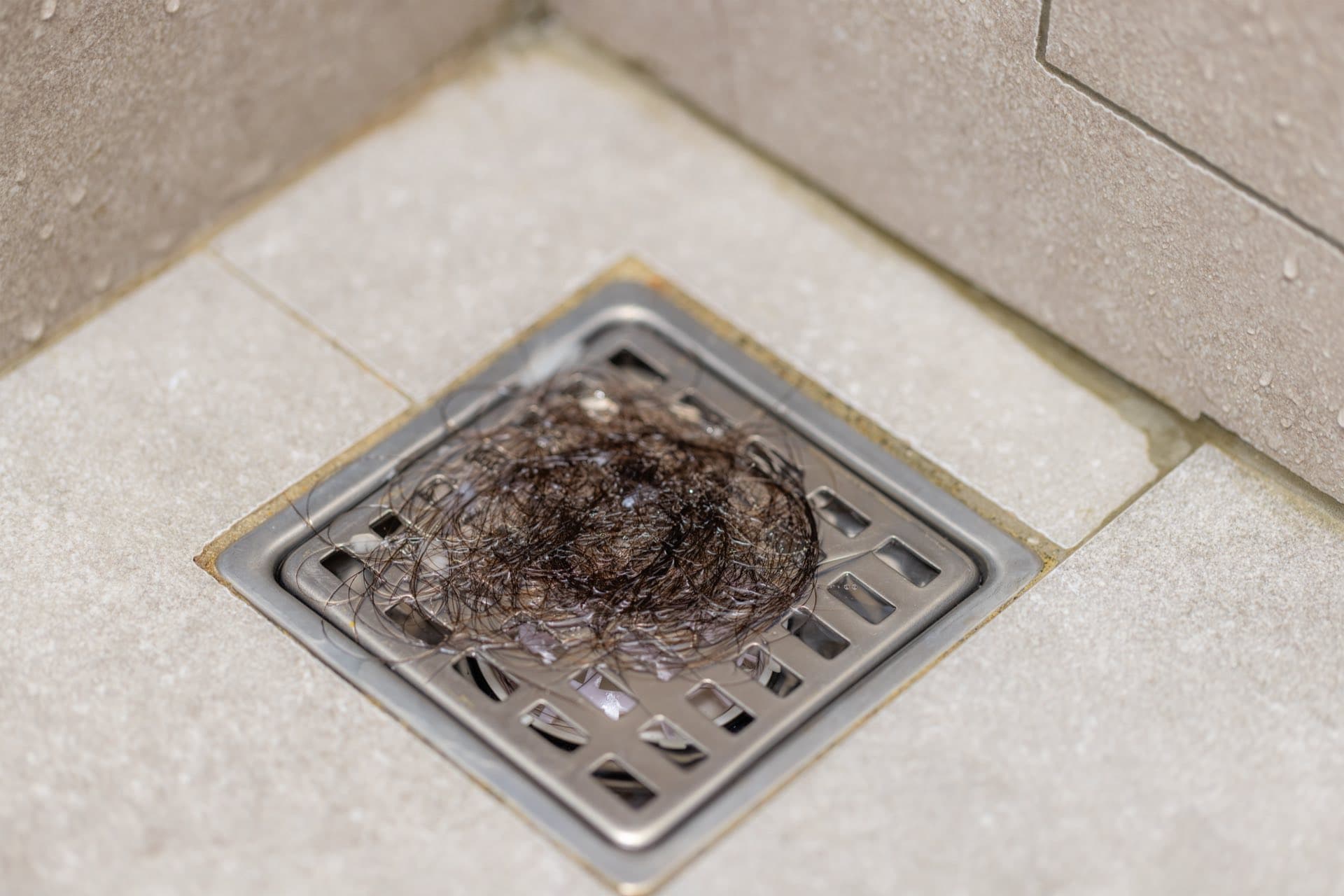
- Lift the grate and remove hair, soap scum and debris, using gloves or a small tool.
- Pour clean water into the drain steadily, a jug at a time, so the trap fills and the water runs away. Repeat a few times.
- Leave the room ventilated, wipe the grate and put it back.
- Check the drain again after a few hours and the next day to see whether the smell has gone.
Use plain water first. A cleaner does not refill the trap, and the CDC warns never to mix bleach with ammonia, because that can release toxic gases. If you do use a cleaner, use one product at a time and rinse well.
If the grate and trap are clogged, or you cannot get at them, our floor drain cleaning service clears and cleans the trap and pipe and checks that the trap holds water.
How can you stop the smell coming back?
The Wisconsin Department of Health Services advises flushing floor and sink drains with water to keep the traps from drying out. It gives no fixed interval, so the practical rule is to run water into any drain you rarely use:
- Whenever you notice a smell.
- Before you go away for a long trip, and again when you return.
- After a spare bathroom or utility room has been unused for a while.
For a home that stays empty for long periods, ask someone to run water in the drains while you are away, or look at our holiday home maintenance service for regular inspections.
When is the smell not a dry trap?
Refilling a dry trap should help within minutes. If it does not, or the smell returns, look for these signs:
- The smell comes back soon after you refill the trap, which can mean the trap or the pipe is leaking.
- Water drains away slowly or backs up, which points to a blockage in the drain line.
- The smell is in several rooms, or comes from drains you use every day, which can point to a blocked or leaking vent or a problem further along the drainage.
- There is damp, staining or a musty smell around the drain, the tiles or the ceiling below, which can point to a leak.
These need a plumber. Our plumbing team traces the cause, and if a leak is involved our leak detection service finds where the water is going. In an apartment, tell building management as well, because the drainage pipes may be shared with other units.
Is a floor drain smell dangerous?
At low levels, sewer gas is mainly an unpleasant smell. The Wisconsin Department of Health Services says low levels of hydrogen sulfide, one of the gases involved, can irritate the eyes and airways, and that symptoms such as headaches, dizziness, drowsiness and nausea are a reason to see a doctor. For high concentrations it advises leaving the building and calling the fire department, which in Dubai means Civil Defence.
Who is responsible for a smelly drain in a rented home?
Dubai Law No. 26 of 2007 makes the landlord responsible for maintaining the property unless the contract says otherwise, so check your tenancy contract. Refilling a dry trap in a bathroom you use is a quick job anyone can do, while a leak, a blocked pipe or a shared drainage problem is something to report to the landlord or building management.
Frequently asked questions
Why does my floor drain smell even after I pour water in?
If the smell returns soon after you refill the trap, the cause may be elsewhere: a trap or pipe that is leaking, a blocked drain line or a blocked vent. A plumber can find out which.
What is a floor trap?
In Dubai the term is often used for a floor drain, the grated drain in a bathroom, balcony, kitchen or utility room. Under the grate there is a trap, a bend in the pipe that holds water to block drain gas.
Can I pour bleach down a smelly floor drain?
Plain water is the first thing to try, because the smell often comes from a trap that has dried out and a cleaner does not refill it. If you use a cleaner, use one product at a time, rinse well and never mix bleach with ammonia, as the CDC warns.
How do I stop a floor drain smelling in a home I leave empty?
Refill the traps before you leave and again when you return. For a long absence, ask someone to run water in the drains while you are away, or arrange regular inspections.
Is the smell from a floor drain harmful?
At low levels it is mainly a nuisance, but sewer gas can irritate the eyes and airways, and symptoms such as headaches, dizziness or nausea are a reason to ventilate the room and see a doctor. If the smell is overwhelming, leave the building and call Civil Defence.
How much does it cost to fix a smelly floor drain in Dubai?
It depends on the cause. Refilling a dry trap costs nothing, while clearing a blockage or repairing a leaking pipe is a plumber's job. We confirm the price before any work starts.