
Leak Source Finding
We identify where water is entering before applying treatment, so the repair is aimed at the right place.
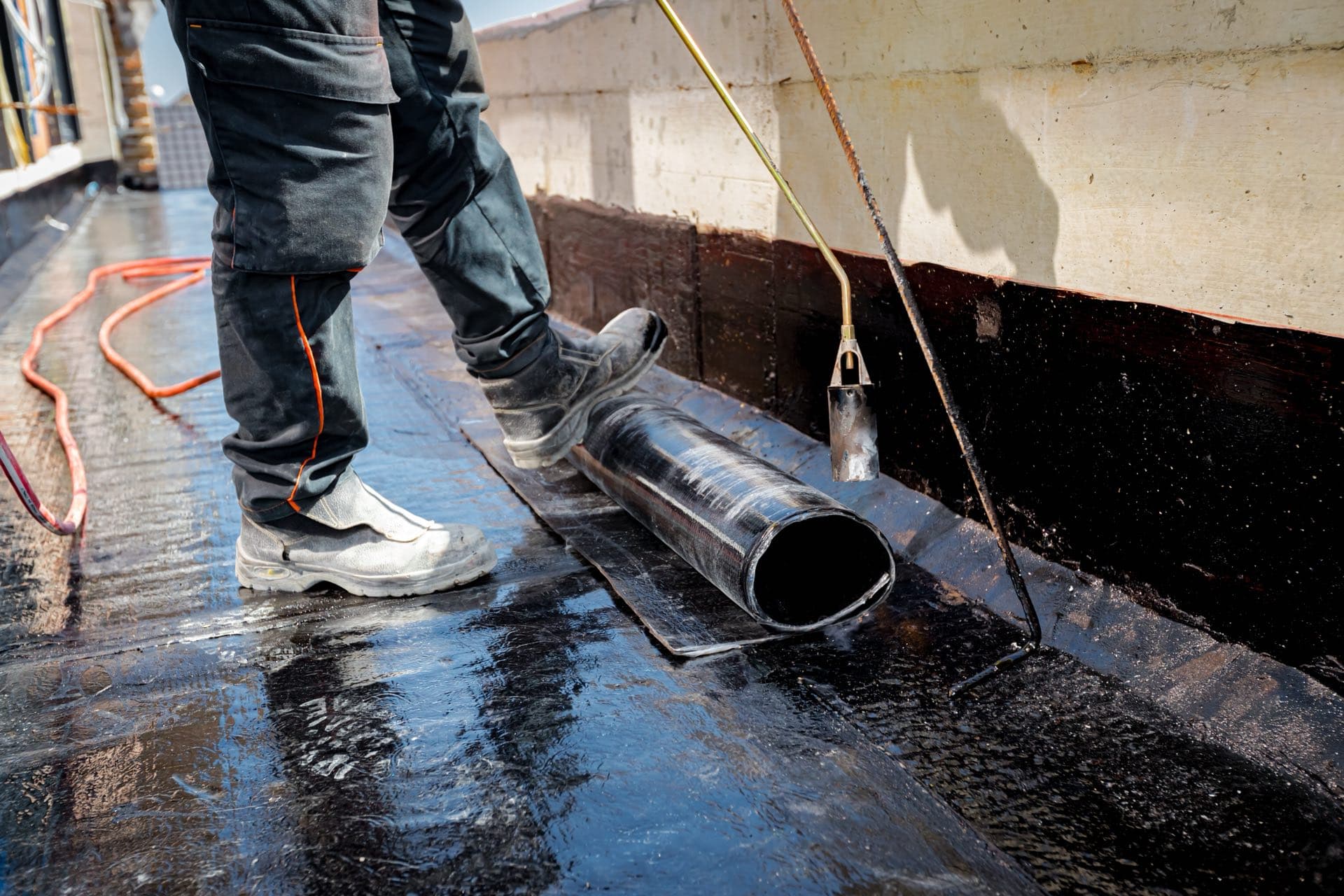
Flat roofs prepared, sealed and tested before they are handed back
In Brief
Roof waterproofing is applying a membrane or coating to a flat roof so that rain and wash-down water cannot get into the building. The surface is cleaned, repaired and dried, then treated, with upstands, drains and joints detailed carefully, because those are where most roof leaks start.
A flat roof does a hard job: it takes direct sun and heat every day, expands and contracts, and has to shed water on the rare days it rains. Over time, waterproofing layers crack, lift or wear thin, joints open and drains block. Water finds the weakest point, and the stain often appears inside some distance from where it entered.
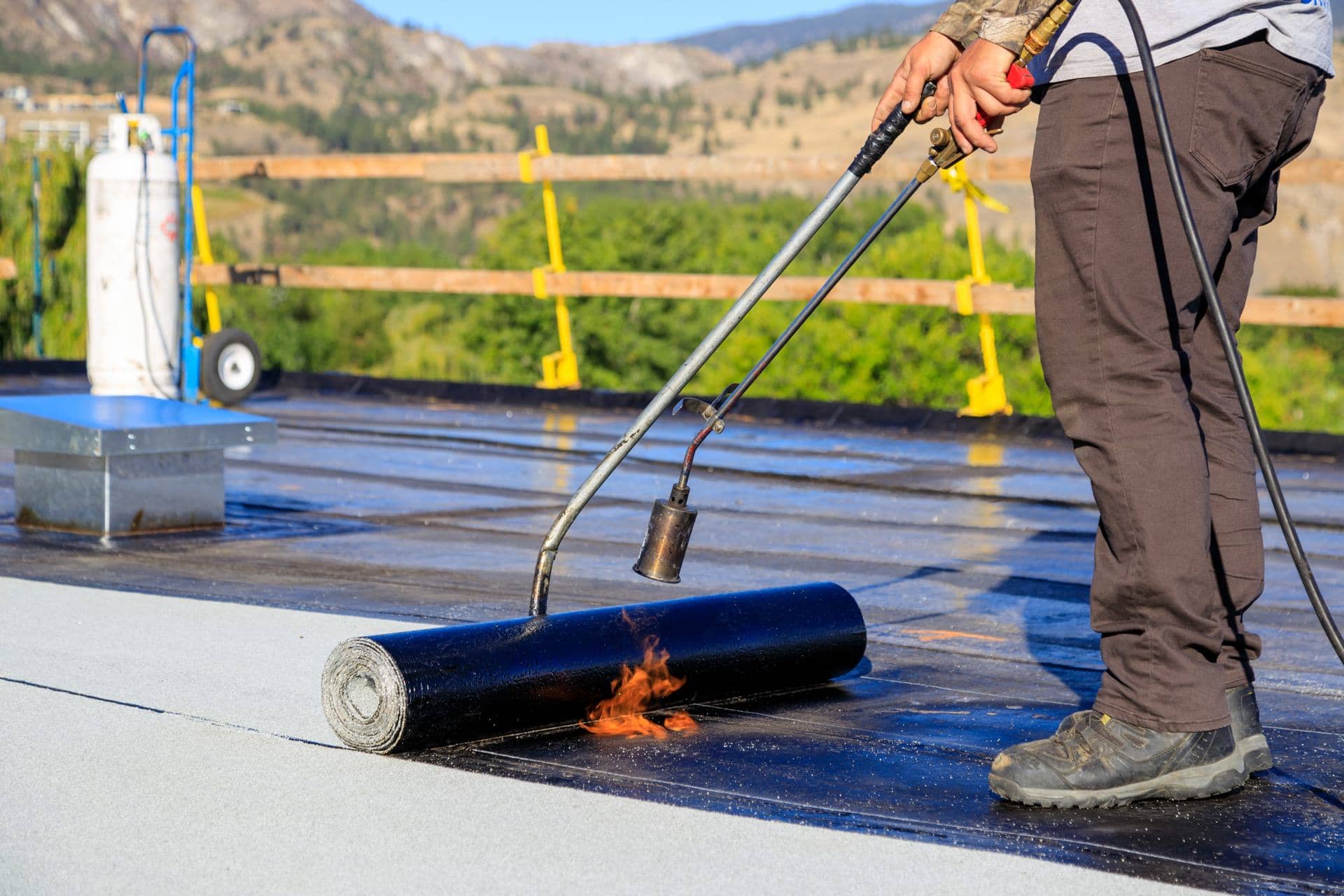
We start by finding where water is getting in, as explained on our roof and balcony leak detection page, because treating the wrong area wastes money. We then prepare the surface properly: cleaning, repairing cracks and defects, and making sure it is dry. Then we apply the waterproofing system, take it up the upstands and around drains and penetrations, and test the treated area before we consider the job complete. The wider service is on our waterproofing page.
We identify where water is entering before applying treatment, so the repair is aimed at the right place.
The roof is cleaned, loose material removed and cracks and defects repaired, then allowed to dry before anything is applied.
A waterproofing membrane or coating suited to the roof is applied in the layers and thickness the system requires.
Edges, upstands, drains and pipes through the roof are detailed carefully, since these are the most common failure points.
We check that the surface drains toward the outlets and that outlets are clear, so water does not pool on the new layer.
The treated area is tested before we consider the job finished, and we explain how to look after it.
We look at the roof surface, drains and upstands and at the damp area inside, and note cracks and defects.
We recommend a membrane or coating for your roof and confirm the price before any work starts.
The surface is cleaned, repaired and dried, then the waterproofing is applied and detailed at edges and drains.
We test the treated area and explain what we did and how to keep drains and the surface in good order.
Every property is different, so we confirm the price before any work starts. These are the things that most often change the time and cost.
Stains or dampness on top-floor ceilings, a cracked or blistered roof surface, pooling water and worn joints are signs. We inspect and tell you whether treatment is needed.
Sometimes. It depends on the condition of the existing layer and the system used. We assess it and explain whether it can stay or has to be removed.
Water can travel along the slab and pipes before showing. That is why we trace the entry point before treating.
It depends on the size, preparation and weather. The surface must be dry before treatment and coatings need time to cure. We give you an idea when we confirm the price.
In a villa the roof is usually yours. In an apartment building roofs are normally common areas, so raise it with building management. We can inspect and document what we find.
Get a free quote today and let our expert technicians bring reliable roof waterproofing to your Dubai property.
Get a Free QuoteTell us what you need and we'll get back to you with a clear quotation — no obligation.