
Surface Preparation
The floor and wall surface is cleaned, repaired and made sound so the membrane bonds properly.

A membrane under the tiles so water stays where it should
In Brief
Bathroom and wet area waterproofing is applying a waterproof membrane to the floor and the lower part of the walls before tiling, so water cannot soak through the tiles and grout into the structure. It matters most in showers, but also applies to kitchens, laundry rooms and other wet areas.
Tiles and grout are not waterproof on their own. Water passes through grout lines and tile edges, and in a bathroom that water can reach the screed, the slab and the room below. A waterproof membrane under the tiles stops this, so the water runs to the drain and not into the structure. Without it, a small amount of water over months can cause stains, mould and damage that show up on the ceiling below.
We prepare the surface, treat corners, joints and the area around the drain with extra care, apply the membrane to the floor and up the walls to a suitable height, and test the treated area before tiling goes down. If you have a leak from an existing bathroom, our bathroom leak investigation finds out whether it is a seal, fitting or failed waterproofing. After waterproofing, our tiling team can finish the surface, and the wider service is on our waterproofing page.
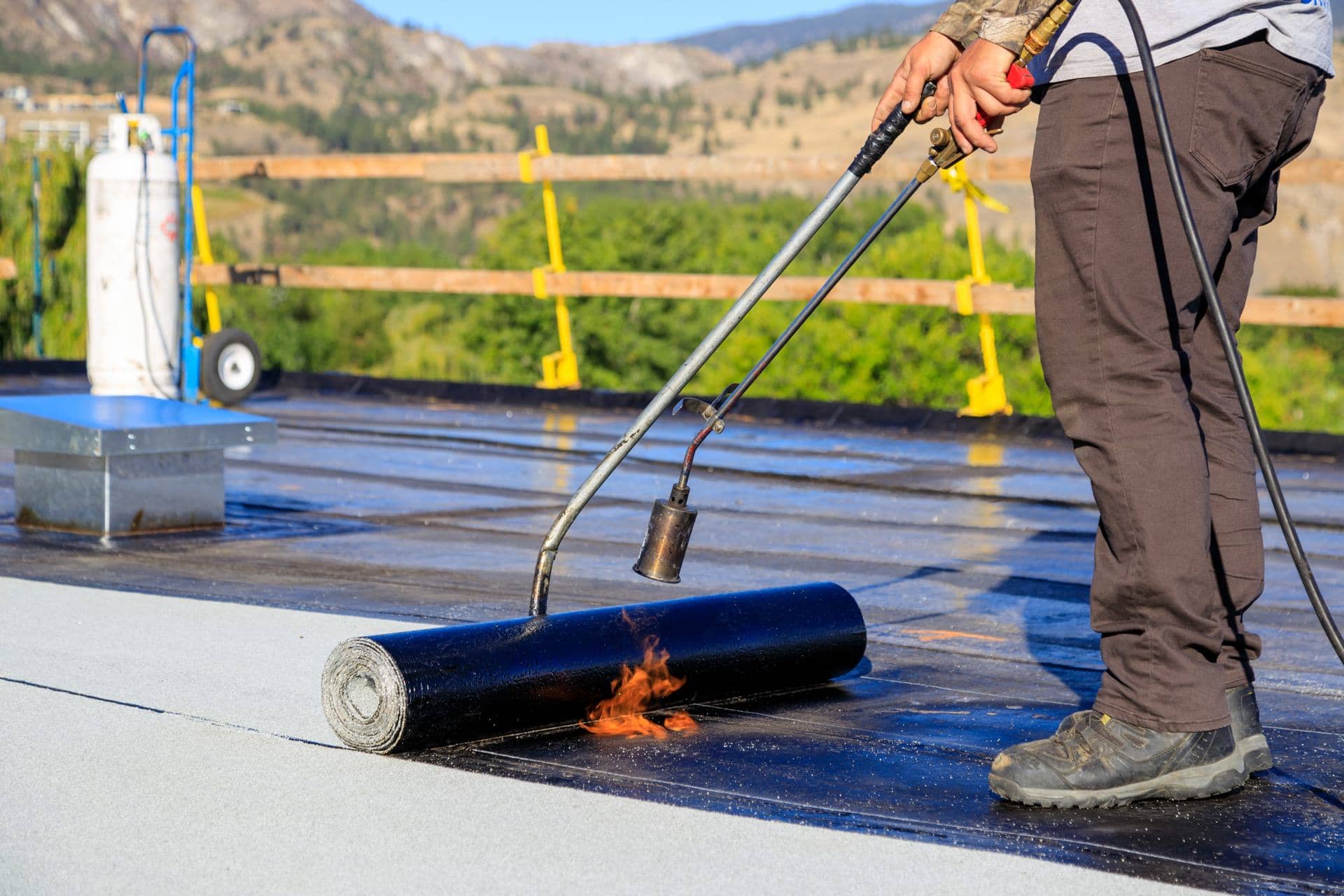
The floor and wall surface is cleaned, repaired and made sound so the membrane bonds properly.
Wall-to-floor corners, joints and the area around the drain are detailed with extra care, since these are the weak points.
The membrane is applied across the floor and up the walls to a suitable height, and higher inside the shower.
Pipes, outlets and fittings that pass through the membrane are sealed so water cannot track along them.
The treated area is tested before tiling so any weakness is found while it is still easy to fix.
Waterproofing is planned together with tiling, so the tiles are fixed once the membrane has cured.
We look at the room, the floor and drain, and any signs of previous leaks, and agree the extent of the work.
Surfaces are prepared and the corners, joints and drain are detailed before the membrane is applied.
The membrane is applied to floor and walls and left to cure as the system requires.
We test the treated area and, once it passes, the surface is ready for tiling.
Every property is different, so we confirm the price before any work starts. These are the things that most often change the time and cost.
Yes. Tiles and grout alone do not stop water, so a membrane under the tiles is what keeps water out of the structure, especially in showers.
Usually not reliably. The membrane has to go under the tiles. If the old waterproofing has failed, the tiles generally have to come up.
The membrane must cure first, and the area is tested. The time depends on the system, and we tell you when we confirm the work.
Yes. Walls inside the shower are treated higher than elsewhere because they take direct water, and the shower floor and drain need extra care.
They can, especially where there are floor drains or a lot of wash-down water. We advise on where it is worth doing.
Get a free quote today and let our expert technicians bring reliable bathroom and wet area waterproofing to your Dubai property.
Get a Free QuoteTell us what you need and we'll get back to you with a clear quotation — no obligation.