
Power and Supply Checks
We check that the heater is getting power, and that the breaker, isolator and wiring to the unit are sound.
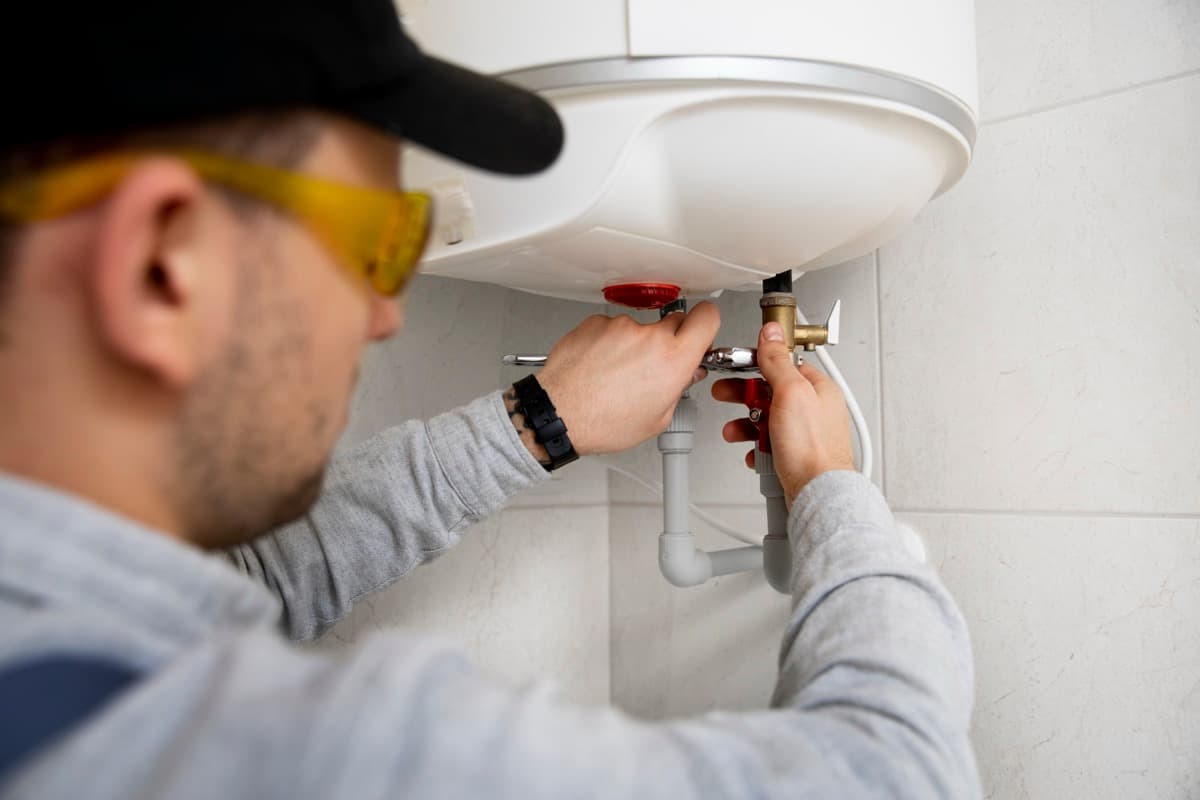
No hot water, lukewarm water or a leak? Diagnosed and fixed
In Brief
Water heater repair means finding why a heater gives no hot water, only lukewarm water, leaks or trips the breaker, and fixing the cause. Common faults are a failed heating element or thermostat, a tripped safety cut-out, scale build-up or a leaking valve. A leaking tank usually means replacement.
A water heater that stops working rarely does so without warning. The water takes longer to heat, runs out faster, turns lukewarm or makes banging or hissing noises. Some faults are simple: a tripped breaker or safety cut-out. Others need a part replaced, such as a heating element or thermostat. A few, like a corroded tank that leaks, cannot be repaired and the unit has to be replaced.
We diagnose before we repair. We check the power supply, the thermostat and the elements, the safety cut-out and the pressure relief valve, and look for leaks and scale. We then explain what has failed and whether repair is worth it for the age of the unit. Part replacement is covered in thermostat and element replacement, and regular care in descaling and maintenance. Where replacement is the better route, see water heater installation.
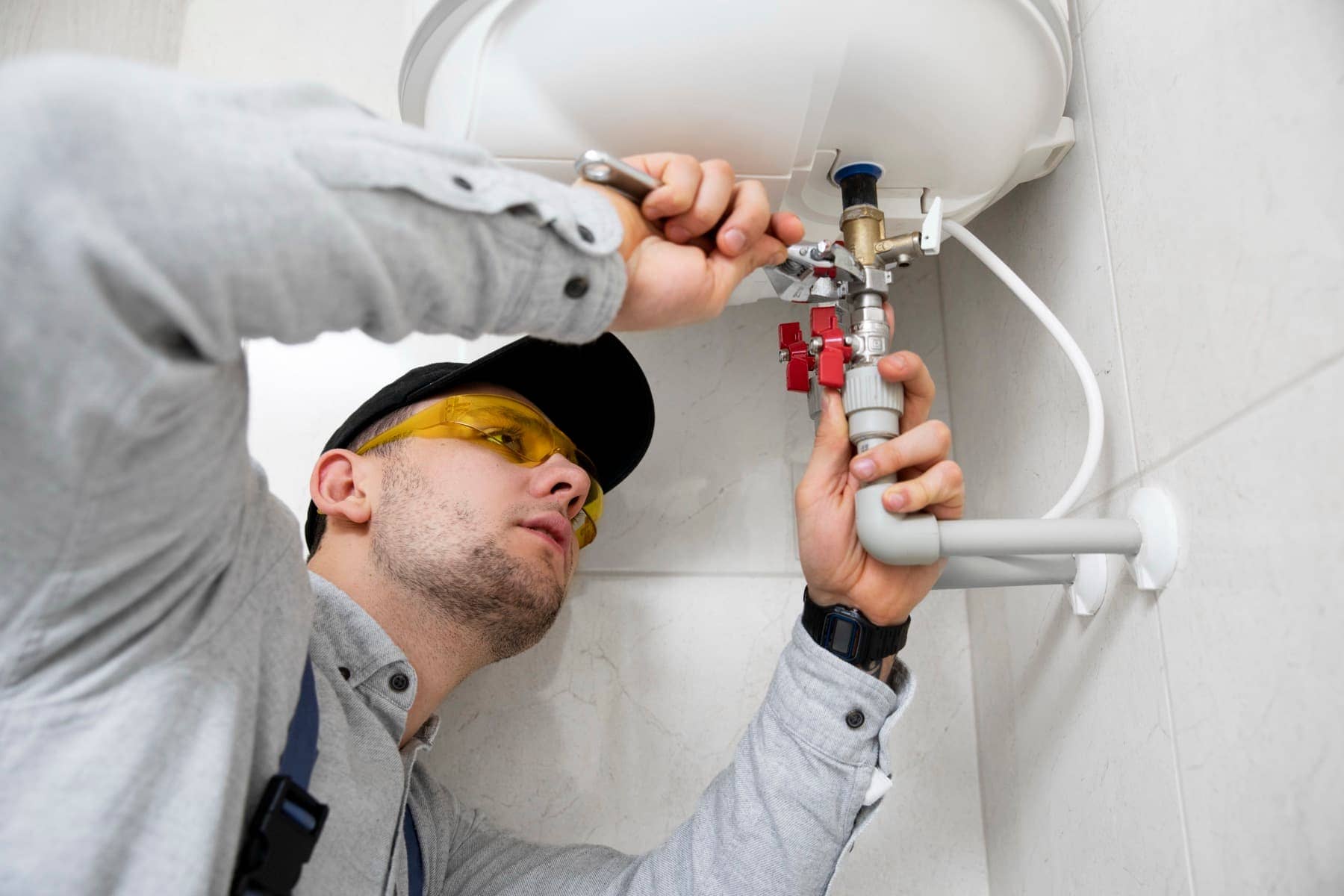
We check that the heater is getting power, and that the breaker, isolator and wiring to the unit are sound.
Thermostats and heating elements are tested to see whether they are working, rather than replaced on a guess.
If the heater has overheated, the safety cut-out may have tripped, and we find out why before resetting it.
We find where water is escaping: a pipe joint, a valve, or the tank itself, and explain whether it can be repaired.
The relief valve is tested, not assumed to be working, and replaced if it leaks or does not operate.
We tell you honestly whether repair is worthwhile for the age of the unit or whether replacement makes more sense.
Tell us what the heater is doing, the age and type of the unit, and whether there are any leaks. A photo of the unit label helps.
We check power, thermostat, elements, safety devices and the relief valve, and look for leaks and scale.
We explain what has failed and whether to repair or replace it, and confirm the price before starting.
The part is repaired or replaced, then we test heating, safety devices and leaks before leaving.
Every property is different, so we confirm the price before any work starts. These are the things that most often change the time and cost.
Common causes are a tripped breaker or safety cut-out, a failed thermostat or a failed heating element. We test each to find which, before repairing anything.
It can be a faulty element, a damaged wire or moisture inside the unit. It should be checked before the breaker is reset again. See distribution board repair if the fault is on the circuit.
A leaking pipe joint or valve can often be repaired. If the tank itself is leaking, it cannot be repaired and the unit has to be replaced.
A small amount of dripping can mean the valve is worn or that pressure is building too high. We test the valve and the system and replace the valve if needed.
It depends on its age and what has failed. We tell you honestly whether repair is worthwhile or whether replacement is better value.
Get a free quote today and let our expert technicians bring reliable water heater repair to your Dubai property.
Get a Free QuoteTell us what you need and we'll get back to you with a clear quotation — no obligation.